
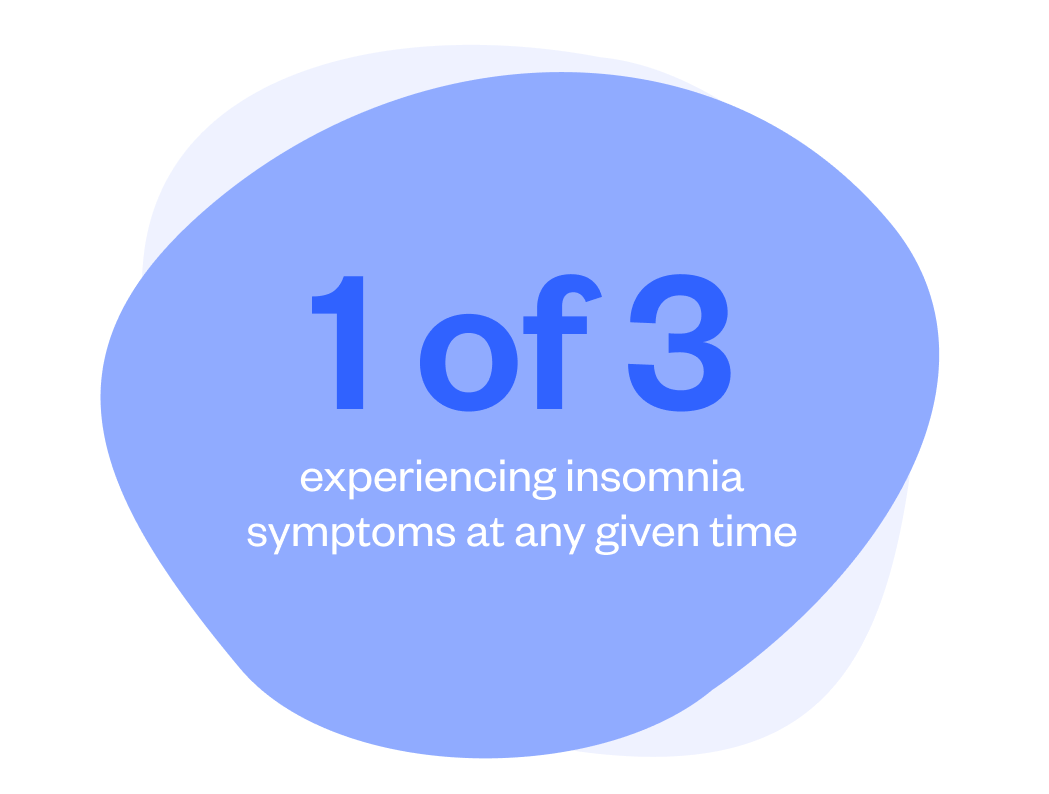
Insomnia is a common sleep disorder characterized by difficulty falling asleep, staying asleep, or both, leading to impaired daytime functioning. It affects millions worldwide, impacting their health, mood, productivity, and quality of life.

Stress, anxiety, and depression are significant psychological triggers for insomnia. Stressful life events or changes, such as job loss, the death of a loved one, or moving, can lead to sleeplessness. Anxiety about sleep itself, often referred to as sleep-related anxiety, can also perpetuate insomnia.

Various lifestyle choices and habits can contribute to insomnia. This includes irregular sleep schedules, engaging in stimulating activities before bedtime (like using electronic devices or exercising), consuming caffeine or alcohol, and erratic eating patterns. Environmental factors, such as a noisy or uncomfortable sleeping environment, can also disrupt sleep.

Numerous medical issues can lead to insomnia. These include chronic pain, asthma, allergies, neurological conditions, gastrointestinal problems, and endocrine problems like hyperthyroidism. Certain medications used to treat these and other conditions can also interfere with sleep.

Treatment for insomnia typically involves a combination of medical and behavioral strategies- while medication not being the first choice due to potential side effects and dependence issues.
The specific approach often depends on the underlying causes and the individual characteristics of the patient.
Here are some common elements of insomnia treatment.
It's important to note that treatment for insomnia is often personalized and may require some trial and error to find the most effective approach.
Hvil® can help tailor a personalized progam that addresses the specific causes and manifestations of insomnia in each individual.
